Central Florida’s Pest Control Experts
 Ants
Ants Bed Bugs
 Bees
Bees Cockroaches
 Fleas
Fleas Mosquitoes
 Rodents
 Spiders
 Termites
See What People Are Saying About Us

Rated 4.2/5 Based on 172 Verified Ratings
Local Pest Control You Can Trust
You want your home, your family, and your employees to be safe from the dangers of pest problems. The pest control experts at Heron can help! Every home is different, which is why we custom-design your pest control treatment plan for your property. Central Florida is home to dozens of pests, from mosquitoes and ants to cockroaches, spiders, and nuisance wildlife. When you team up with us, our experts will work to prevent infestations before they begin with regular inspections and preventative measures.
Our pest removal pros are regularly trained on the latest pest control technology, and we pride ourselves on our eco-friendly methods and IPM approach. Whether you need pest control for your home in Central Florida, Heron is committed to keeping you pest-free.
WE HAVE THE SOLUTION FOR ALL OF YOUR HOME AND OUTDOOR PEST NEEDS.
$99 Initial
Pest Service
To use this coupon, call to schedule and reference this coupon code:
Offer available to residential customers who purchase a new annual pest control plan. This offer does not apply to commercial services. Cannot be combined with any other offers or coupons. Offer details subject to change. Additional charges may apply for homes over 2000 sq ft or german roach service. Sales offer can only be redeemed by calling. Offer expires 04/30/2024
Expires 05 / 15 / 2024
Why Choose Heron Home & Outdoor?
Heron Home & Outdoor is proud to provide the best lawn care & pest control in Central FL. With focuses on innovation, environmental responsibility, and full scope service, we are always striving to remain at the top of our industry and deliver optimized services.
At Heron Home & Outdoor, we know that pest problems in your home or business can be distressing and dangerous. Proudly serving as a pest control leader for years, our goal is to provide you with 100% peace of mind by protecting your home or business from unwanted pests.
Heron Home & Outdoor has protected homes and businesses across the state with innovative technology and customized pest management solutions — centered around ongoing prevention, removal, and exclusion.
When it comes to living and working pest-free, the best choice is Heron Home & Outdoor.
- Our technicians are licensed, insured, and participating in continual training programs to keep up with the latest pest control technology
- All of our products and practices meet EPA regulations and updated ideals of environmental responsibility
- With a focus on Integrated Pest Management, we work to stop pest infestations at their sources and correct any potential vulnerabilities
- We have a dedicated customer care team ready to help you schedule follow-up visits as needed and guarantee your total satisfaction with our services
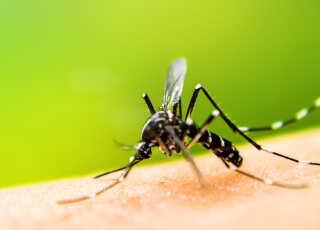
Mosquitoes are infamous for their itchy bites, but did you know they're also capable of spreading dangerous diseases? Read here to learn more about staying safe from mosquitoes.
Visit the Mosquito Learning Center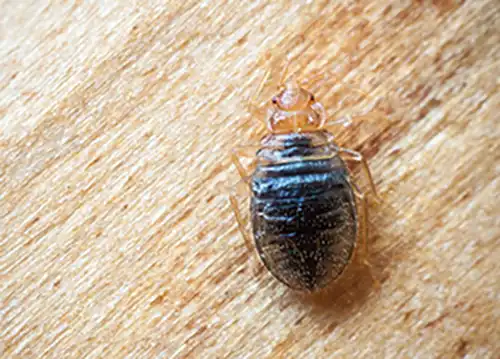
Bed bugs are one of the most difficult pests to control. If the entire bed bug population is not destroyed, your infestation will come back! We keep you bed bug-free all year long.
Visit the Bed Bug Learning Center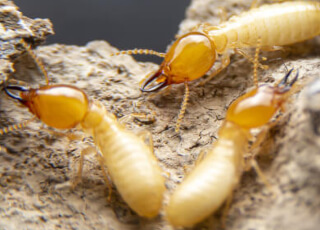
Termites can lurk undiscovered in our walls for years, causing loads of dollars in damage and a nightmare for homeowners. Check out our learning center for a crash course on termites.
Visit the Termite Learning Center
Pest Control For Your Home
At Heron, we know how important it is to keep your family safe from pest problems. Unfortunately, we live in a region where pests are active through most of the year. Whether you need ants out of your kitchen or want to prevent a termite problem, our exterminators will work with you to ensure you stay pest-free. From quarterly pest control services to pest removal for your local HOA, we are proud to be your local leaders in residential pest control.

OVER 100 POSITIVE REVIEWS
“Absolutely thrilled with our tech. Always takes pride in his work. Has always found and cleared any pest problem we have ever had.”
-Karen Johnson

CALL FOR AN INSTANT QUOTE!
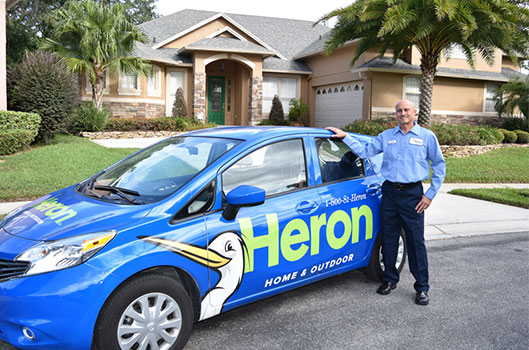
Our Licensed Exterminators
Pests are a fact of life in Florida. The exterminators at Heron Home & Outdoor are licensed and trained to deal with the unique pest problems that plague our region. We are proud to be your local experts in controlling the following pests:

Keep pests out of your home. Guaranteed.
PestFree365+ is the most comprehensive, all-inclusive pest control ever. Our exterminators will conduct an in-depth inspection of your home or business to pinpoint active or potential pest problems. You’ll receive detailed inspection notes plus a treatment and prevention plan. And if you ever see a bug again, call us and we’ll re-treat your home or business for free.
PestFree365+ Includes:
- Protection from over 36 pests
- Highly-trained, local Pest Technicians
- Regularly scheduled service visits
- Unlimited service calls at no additional charge
- Recommendation for pest prevention
- Convenient monthly payments with Automatic Payment
*Service frequency will vary based on geography. PestFree365+ does not include the following pests: honey bees, flies, lice, dust mites, mosquitoes, exterior ticks, ornamental/turf pests, slugs, snails, termites, wildlife, birds, and brown recluse spiders. Automatic Payment is required for PestFree365+. Voles and fire ants are only covered if they are in the home, we will not treat the lawn. Home must be free of bed bugs at the initial service to qualify for coverage of bed bugs under the PestFree365+ plan and applies to single family, free-standing, owner-occupied homes only. Account must be in good standing. Other restrictions may apply.

WE HAVE THE SOLUTION FOR ALL OF YOUR HOME AND OUTDOOR PEST NEEDS.
$50 off
Initial PestFree365+ Service
To use this coupon, call 866-813-5236 to schedule and reference this coupon code:
*Offer available to residential customers who purchase a new PestFree365+. This offer does not apply to commercial services. The $50 discount will be deducted from the initial service. Cannot be combined with any other offers or coupons. Offer details subject to change.
Expires 05 / 31 / 2024
Central Florida’s Pest Control Experts Serving Orlando and surrounding counties
Serving satisfied customers in: